
The US Rollback of DEI – What Does It Mean for UK Workplaces?
A recent survey from Occupational Health Assessment has sparked an important conversation among UK employers and HR Professionals.
The survey, which gathered insights from over 140 senior HR and C-suite professionals, revealed that 69% of respondents expect the rapid retreat from workplace diversity, equity, and inclusion (DEI) projects in the United States to have at least some impact on UK workplaces and existing DEI policies.
At JourneyHR , we’ve been closely tracking developments in the U.S., where major corporations like Meta, McDonald's, Microsoft, and Zoom have recently scaled back their DEI initiatives. While the global impact is still unfolding, one thing is clear: UK businesses must carefully navigate their next steps to ensure compliance, sustain employee engagement, and drive business performance.
Understanding the US DEI Rollback
Some describe the deprioritisation of these initiatives as ‘DEI fatigue,’ where rushed corporate responses to events such as the 2020 Black Lives Matter movement have since been perceived as superficial “tick-box” exercises, ultimately proving unsustainable in the long term.
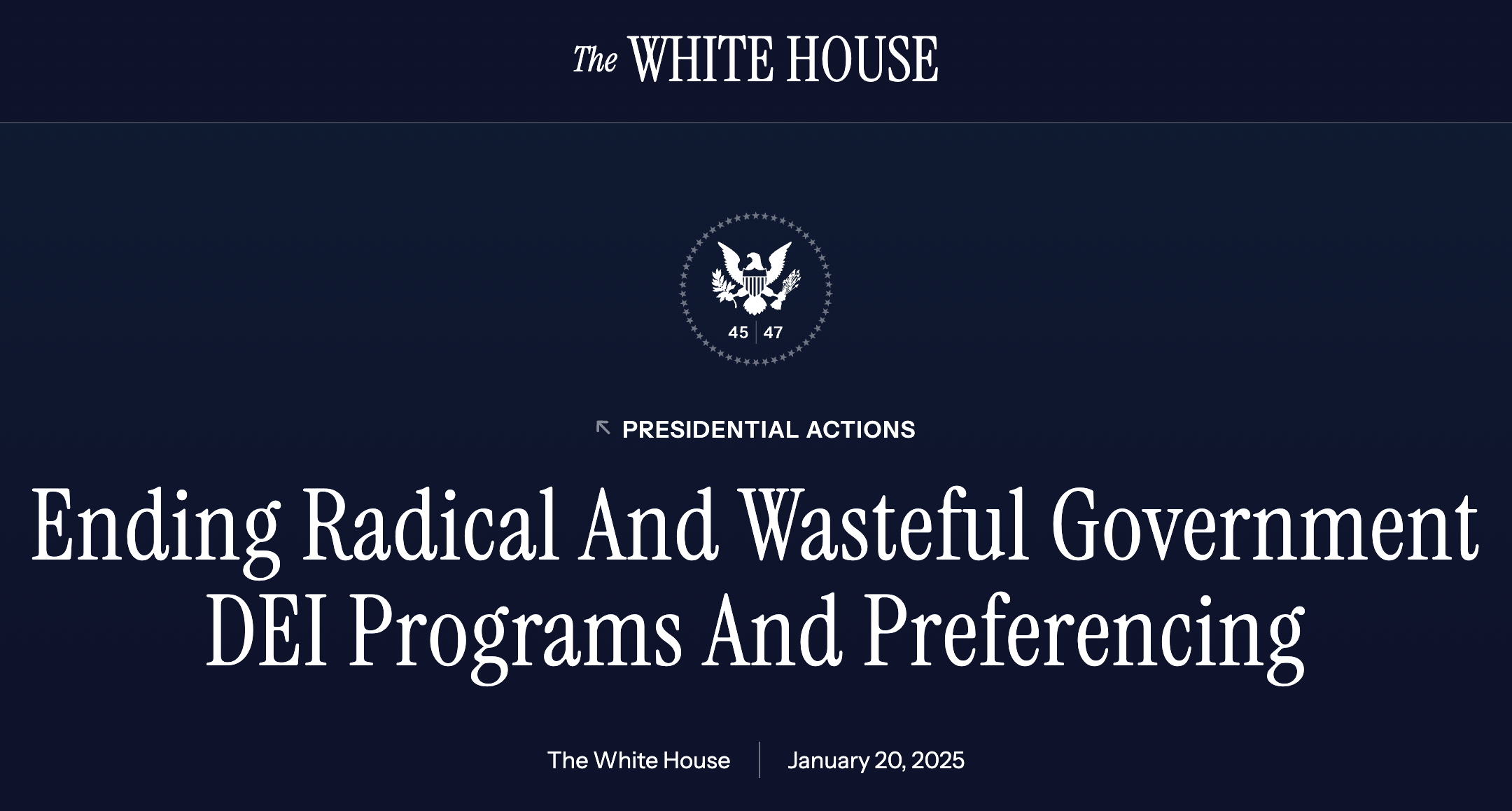
The inauguration of President Trump has led his administration to implement anti-DEI measures across U.S. government departments while promoting a "colour-blind" approach and a rigid, binary definition of gender. These policies have already had a significant and far-reaching impact, increasingly shaping corporate practices.
Will the UK Follow Suit?
The majority of those surveyed by Occupational Health Assessment — 53%— continue to support equality and diversity policies. Among them, 22% would like to see DEI initiatives strengthened further, while 31% feel that current initiatives strike the right balance.
Legislative Developments in the UK
Unlike the US, the UK is moving towards stronger workplace DEI protections, for example the recent introduction of new legal obligations requires employers to take reasonable steps to prevent sexual harassment in the workplace. Further legislative commitments have been outlined by the Labour Government in the Make Work Pay manifesto, including proposed consultations on ethnicity and disability pay gap reporting as part of the forthcoming Equality (Race and Disability) Bill.
JourneyHR’s Perspective: DEI Should Remain a Priority
At JourneyHR, we believe that diversity, equity, and inclusion should remain a business priority, not just a compliance obligation. With many of our clients in the Media and Advertising sector, we reflect on the latest IPA Census data for 2024, which highlights year-on-year increases in both gender and ethnicity pay gaps — an important reminder of the ongoing work needed in this space.
Evidence consistently shows that diverse and inclusive workplaces contribute to better employee experience, higher engagement, and improved business outcomes. While some organisations may be questioning their DEI commitments, rolling back initiatives could have far-reaching consequences, not only in terms of workplace culture but also in legal risk and employer reputation.
What Should UK Businesses Do Next?
As organisations consider the future of their DEI strategies, it is essential to take a measured, evidence-based approach. Several key factors should be prioritised:
Data-Driven DEI
Employee Expectations
A Tailored Approach rather than one-size-fits-all
Compliance and Risk Management
Transparent Communication
Employee Wellbeing
Reputation Management
Taking a Strategic Approach to DEI
While the US is seeing a retreat from corporate DEI commitments, the UK is on a different path — one shaped by distinct legal obligations and clear employee expectations. For organisations considering changes to their DEI strategies, the key takeaway is this: any decision to scale back must be carefully assessed against its legal, reputational, and cultural impact.
At JourneyHR, we are committed to supporting businesses in building inclusive workplaces.
If you have concerns about navigating these challenges — whether in reviewing policies, embedding inclusion, or responding to evolving legislative requirements — please do not hesitate to reach out to our team.