The Future of Work 2026: Legal Change, Cost Pressure and Why Structure Matters
The future of work isn’t some distant horizon, it is the backdrop managers and business leaders are operating in right now.
2026 is bringing the most significant shift in employment rights and people's expectations in a generation, and the decisions leaders make this year about structure, roles and benefits will either set them up for resilience or bake in risk and cost.
Three themes
I recently hosted a panel event to discuss what employers can expect in 2026 and beyond, and these new changes are implemented. Three themes dominated the discussion:
Legal change is moving from “nice to know” to a board‑level risk, with more changes coming in the next 12 months than we have seen over recent years
Benefits design is under intense cost pressure, just as employees are expecting more
Too many structural change decisions are still being made in silos, without a coherent people strategy running through them
Taken together, these forces mean leaders can’t simply “tweak” policies and org charts. They need to rethink how work is designed, how decisions are made, and how HR is used as a strategic partner rather than a late‑stage problem solver.
Legal implications leaders cannot ignore
Several reforms crystallise what the “future of work” really means.
The Employment Rights Act reforms and associated measures are reshaping protection around unfair dismissal, redundancy, whistleblowing and working patterns, including proposals for default flexible working and tighter rules on zero‑hours and minimum hours guarantees.
Flexible working is shifting from a discretionary perk to a default starting point, supported by a reasonableness test and shorter timescales to respond to requests, and expectations will only move further in that direction.
In addition, the thresholds and protective awards in collective redundancy and consultation are being tightened, with penalties for non‑compliance increasing, particularly relevant for multi‑site businesses.
For managers, this means change programmes, restructures and even “small tidy‑ups” now carry higher legal exposure if they are rushed, poorly documented, or treated as purely financial exercises. Likewise, dealing with underperformance needs to be treated swiftly and well-documented. For business leaders, it underlines the need to involve HR and legal early, not as an afterthought once business decisions have already been made.
Benefit changes, including cost, expectations and value
In the benefits space, employers are being squeezed from both sides. Rising benefit costs, driven by National Insurance increases and double‑digit medical inflation, are a top concern for UK employers, just as competition for talent and cost‑of‑living pressures push employees to expect more tailored and supportive packages.
We are seeing intense cost pressure, where organisations are moving away from endlessly expanding benefit menus and towards extracting more value from existing spend, rebalancing budgets and switching to better‑value vendors.
Employees want benefits that are personal, accessible and genuinely supportive of wellbeing and long‑term financial security, rather than a long list of under‑used options. This means that many employers plan to reallocate spend, expand choice selectively, and invest in navigation and communication so employees actually understand and use what is on offer.
For leaders, the question is no longer “How many benefits do we have?” but “Which benefits move the dial on attraction, retention and performance, and can we prove it?” HR’s role is to bring evidence and insight, not just benchmark lists, so the benefits strategy is grounded in real employee needs and business outcomes.
The landscape is changing
2025 saw an ever-evolving employment landscape, with many companies reporting change management as one of their key strategic priorities. Agencies have had to adopt their longer-term people strategies to match financial constraints, and this is a trend we see continuing into 2026 and beyond, as budgets continue to be tightened.
This, combined with multiple important legal changes this year, is a tricky climate for business leaders and founders to navigate.
Are we changing in silos?
The event has got me thinking, and one of my most important reflections is how often major decisions about structure, headcount and spend are still made in functional silos. Finance models the savings, line managers propose cuts, and HR is pulled in late to land the message or process the exits.
Under the 2026 legal landscape, this approach is no longer inefficient; it is unsafe. Stronger rights around redundancy, flexible working and predictable hours mean that fragmented change programmes are more likely to be challenged, both informally and in tribunals.
Now is the time to ensure your HR Partnerships are fit for future. A more deliberate, partnership‑based approach between HR, finance and operational leaders can shift the conversation. Considering whether your 2026 structure and headcount plans are aligned with the upcoming employment law changes on unfair dismissal rights, redundancy, flexible working and predictable hours is going to be key.
Ask yourself these questions:
Where are decisions currently being made in silos, and how can we bring HR, finance and operations together earlier in the process?
Do we know which benefits our people truly value, and are we comfortable that our spend aligns with those priorities in a cost‑effective way?
If a tribunal, union or investor looked at our recent change decisions, would our approach to consultation, documentation and fairness stand up to scrutiny?
Are we fit for the upcoming legal changes, and do we have a plan in place?
The future of work, viewed through a 2026 lens, is as much about disciplined, people‑centred decision‑making as it is about new technology or workplace trends. Leaders who integrate legal awareness, benefit strategy and thoughtful organisation design will not only stay compliant; they will build workplaces that are sustainable, attractive and genuinely fit for the future.
Upcoming Webinar
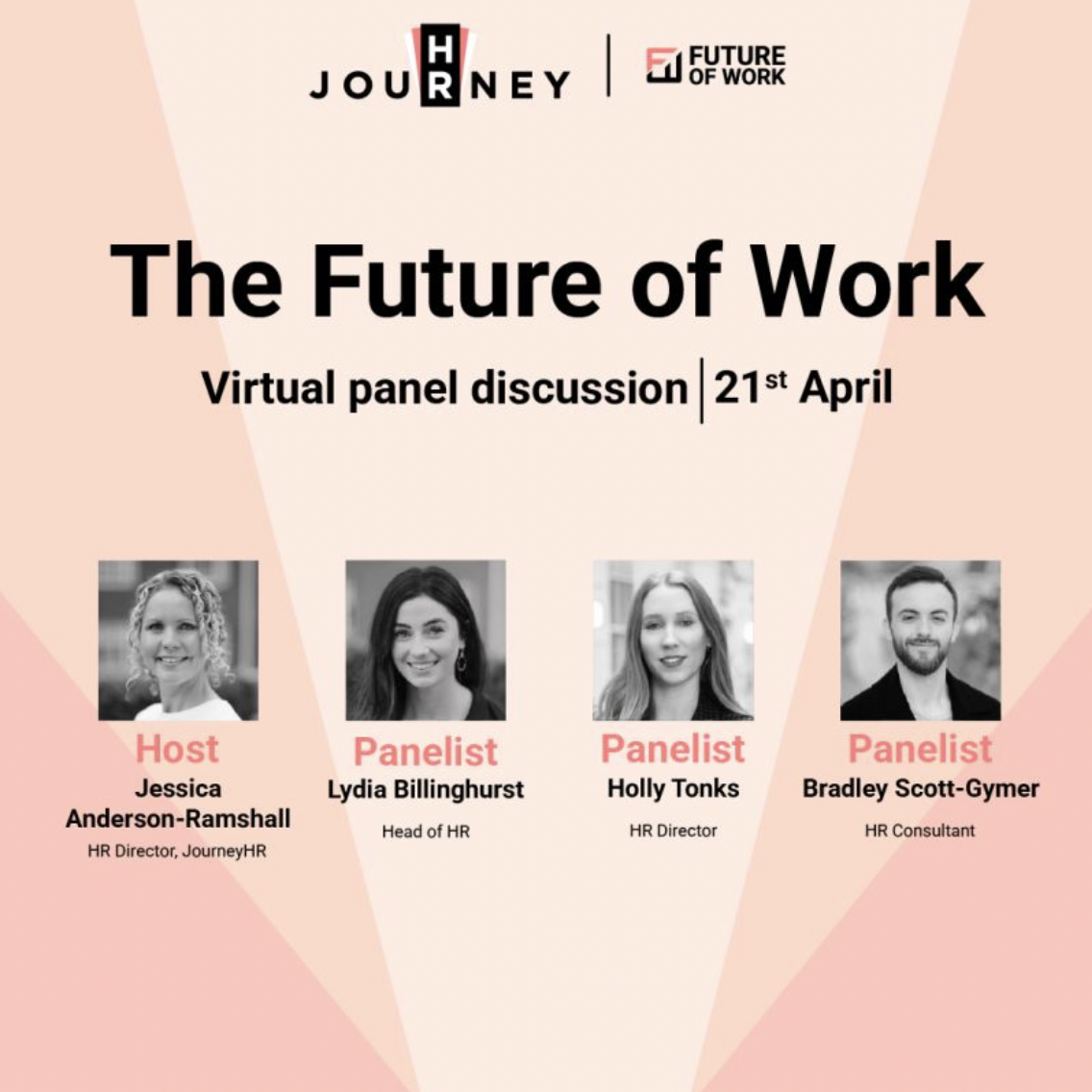
We’re pleased to invite you to our upcoming Future of Work webinar on 21 April, 9:15am–10:15am.
This session will focus on the practical implications of the upcoming changes and, more importantly, what your organisation needs to be doing now to stay ahead of the curve.
We’ll explore clear, actionable steps to help you prepare with confidence and ensure you’re fully ready when the changes take effect.
Led by an expert panel from our JourneyHR team, this webinar will provide practical solutions, implementation timelines, and real-world guidance to support your planning.
Sign up for free here
To find out more about JourneyHR can support you, please contact jessica@journeyhr.com